
 Share This List
Tooth pain is something most people try to ignore, especially when it comes and goes. You might take a painkiller, avoid chewing on one side, or wait for the discomfort to disappear. However, persistent tooth pain or unusual sensitivity could indicate a deeper dental problem that requires professional attention.
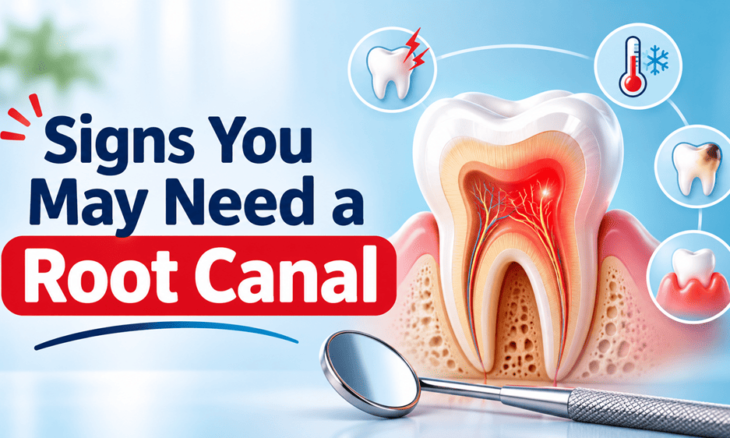
One possible solution is root canal treatment, a procedure designed to remove infection from inside a tooth while preserving its natural structure. Recognizing the warning signs early can help prevent complications and may save your natural tooth.
If you are also exploring advanced dental care options, understanding treatments such as the LANAP procedure Toronto dental patients may consider is worthwhile. LANAP is a specialized laser-assisted procedure used to treat periodontal (gum) disease. Although it addresses a different dental problem than root canal treatment, both procedures focus on improving oral health and preserving natural teeth whenever possible.
Let’s explore seven common signs that may indicate you need a root canal.
1. Persistent or Severe Toothache
One of the most common signs of an infected or damaged tooth is persistent pain. You may experience a dull ache, sharp pain, or throbbing sensation that makes it difficult to concentrate, sleep, or carry out everyday activities.
This discomfort may become more noticeable when lying down or when pressure is applied to the affected tooth.
Pain that continues for several days or repeatedly returns should not be ignored. It may indicate inflammation or infection in the dental pulp, the soft tissue containing nerves and blood vessels inside your tooth.
A dental examination can help determine whether root canal treatment is necessary.
2. Prolonged Sensitivity to Hot and Cold
Do you experience a sharp sensation when drinking hot coffee or eating ice cream?
Occasional sensitivity can be normal, but prolonged discomfort is worth investigating. If the pain continues even after you stop consuming something hot or cold, it could indicate damage to the tooth’s inner pulp.
For example, you might drink cold water and continue experiencing discomfort for 30 seconds or longer.
This type of lingering sensitivity can be associated with irreversible pulp inflammation. Your dentist may recommend root canal treatment after examining the tooth and assessing its condition.
3. Pain When Chewing or Biting
Experiencing pain whenever you bite into food is another potential warning sign.
You may notice discomfort while chewing something hard, eating meat, or simply bringing your teeth together. The pain might feel sharp and concentrated around one particular tooth.
Possible causes include:
- Deep dental decay.
- A cracked or fractured tooth.
- Infection inside the tooth.
- Damage to the dental pulp.
- Problems with an existing dental filling.
Not every painful bite requires a root canal. However, persistent biting discomfort deserves a professional examination to identify the underlying cause.
4. Swollen or Tender Gums Around a Tooth
Healthy gums should not remain swollen, painful, or unusually tender around a particular tooth.
When bacteria spread from an infected tooth into the surrounding tissues, they can cause inflammation and swelling. You might notice redness, tenderness, or a small raised area near the affected tooth.
Sometimes, this swelling develops into a dental abscess, which is a pocket of pus caused by infection.
An untreated dental abscess can lead to more serious complications. If you notice swelling around a tooth, arrange a dental appointment promptly. Facial swelling, fever, or difficulty swallowing requires urgent medical or dental attention.
5. A Small Pimple or Bump on the Gums
A small pimple-like bump on your gums might seem harmless, especially if it does not cause pain.
However, it could be a dental sinus tract, sometimes called a gum boil. This can develop when an infection inside a tooth creates a pathway for pus to drain through the gum tissue.
You might notice:
- A small white or yellow bump.
- Occasional discharge or a bad taste.
- Tenderness around the affected area.
- A bump that repeatedly appears and disappears.
Even if the pain temporarily improves because the infection is draining, the underlying problem may still exist.
A dentist should examine the area and determine whether root canal treatment or another procedure is needed.
6. Tooth Discoloration or Darkening
Have you noticed one tooth becoming darker than the surrounding teeth?
A tooth that gradually turns grey, brown, or unusually dark may have experienced internal damage. This can happen following dental trauma, deep decay, or damage to the pulp.
Unlike ordinary surface stains caused by coffee, tea, or tobacco, internal discoloration may indicate that the tooth’s inner tissue has been affected.
However, discoloration alone does not confirm that you need a root canal. Your dentist may use dental X-rays and pulp vitality tests to understand what is happening inside the tooth.
Early diagnosis can help determine the most appropriate treatment.
7. A Cracked, Chipped, or Damaged Tooth
A cracked or chipped tooth is not always just a cosmetic concern.
Even a small crack can allow bacteria to enter the inner layers of the tooth, potentially damaging the pulp and causing infection.
Dental injuries can also affect the pulp without producing an obvious visible crack.
If you have recently experienced a dental injury or notice pain when biting, avoid putting unnecessary pressure on the affected tooth and arrange a dental examination.
Depending on the extent of the damage, your dentist may recommend a filling, dental crown, root canal treatment, or another restorative procedure.
When Should You Consider Root Canal Treatment in Scarborough?
If you are experiencing any of these symptoms, consulting a qualified dental professional should be your next step. Patients looking for root canal treatment in Scarborough should prioritize an early examination rather than waiting for the pain to become unbearable.
Your dentist will typically assess your symptoms, examine the affected tooth, and take dental X-rays when necessary. These tests help determine whether the pulp is infected or inflamed and whether the tooth can be preserved.
Root canal treatment generally involves:
- Local anaesthesia: The affected area is numbed to keep you comfortable.
- Removing infected pulp: The damaged or infected tissue inside the tooth is removed.
- Cleaning and disinfecting: The root canals are carefully cleaned and shaped.
- Filling and sealing: The cleaned canals are filled with a suitable dental material and sealed.
- Restoration: A permanent filling or dental crown may be placed to protect the treated tooth.
With modern dental techniques and appropriate anaesthesia, root canal treatment is generally comfortable for most patients.
Can a Root Canal Save Your Natural Tooth?
Yes. One of the biggest benefits of root canal treatment is that it can help preserve a natural tooth that might otherwise require extraction.
Once the infected pulp is removed, the remaining tooth structure can continue functioning. Depending on the extent of damage, your dentist may recommend a crown to provide additional strength and protection.
With proper restoration, good oral hygiene, and regular dental checkups, a root canal-treated tooth can last for many years.
Protect Your Smile with Early Dental Care
Tooth pain, prolonged sensitivity, swollen gums, and unusual discoloration should never be ignored. While these symptoms do not automatically mean you need root canal treatment, they can indicate an underlying dental issue that deserves attention.
The earlier you identify and treat a dental problem, the better your chances of preserving your natural tooth and avoiding more complicated procedures.
Don’t wait for discomfort to interfere with your daily life. Schedule a dental examination and discuss the most suitable treatment options for your oral health.
Frequently Asked Questions
1. Is root canal treatment painful?
Modern root canal treatment is performed under local anaesthesia. Most patients experience little to no pain during the procedure, although mild soreness or sensitivity afterward is possible.
2. How do I know if my tooth infection is serious?
Persistent pain, gum swelling, pus, fever, and facial swelling can indicate an infection requiring prompt attention. Seek urgent care if you experience difficulty swallowing or breathing.
3. Can I avoid a root canal if my tooth stops hurting?
Not necessarily. Sometimes, the nerve inside a severely damaged tooth stops functioning, causing the pain to disappear even though infection may remain. A dental examination is important.
4. Is extracting a tooth better than getting a root canal?
Not always. If the tooth can be successfully restored, preserving your natural tooth is generally preferable. Your dentist can explain the benefits and limitations of each option.

Passionate blogger and content aficionado with a flair for crafting compelling narratives. Specializing in content writing, content marketing, and SEO optimization, I transform ideas into engaging stories. Ready to elevate your online presence? Let’s collaborate for stellar SEO and marketing results!